
Blemishes in Adults
Still experiencing blemishes even after your teenage years?
Let’s look at the causes and how we can help.
What causes blemishes?
While blemishes are more prevalent in teenagers, they do affect adults too. Whether you have a big presentation at work, a date, a job interview or anything else, no-one wants blemishes to spoil your important day – or any other day. That’s why we created Papulex™.
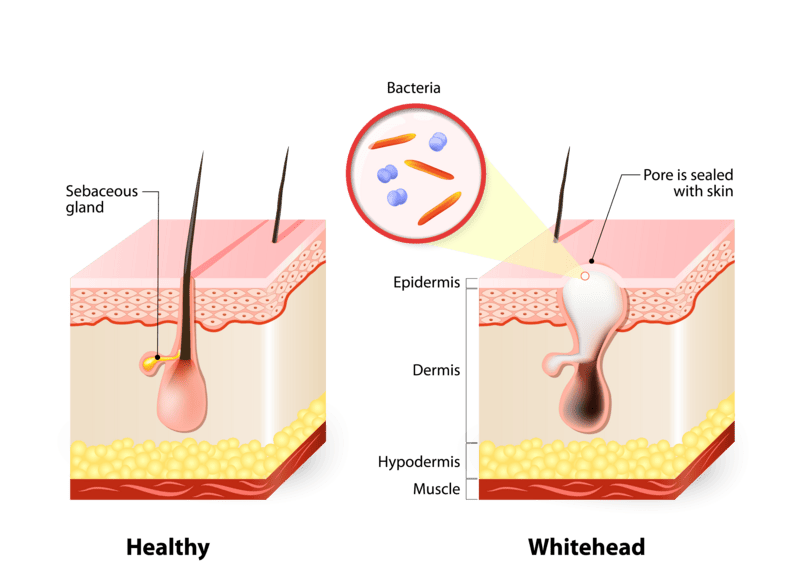
A great many factors may cause your skin to produce an excess of sebum, which can clog your pores. Clogged pores are susceptible to colonisation by bacteria – which leads to blemishes.
Blemish-causing factors include:
-
Genetics: You may be genetically more likely to get blemishes. If those in your family are susceptible to it, even more distant relatives such as cousins, aunts or uncles. 1
- Stress: Researchers have discovered a link between stress and blemishes. When we are stressed, our bodies release hormones called androgens that can stimulate the skin’s oil glands and hair follicles, leading to excess oil and thus blemishes.2,3
- Diet: Many people believe that excessive white flour products, sweets, chocolate, dairy, and fast food may contribute to blemishes. That said, experts haven’t come to any definitive conclusions. You could however try keeping a food diary to see if you notice a pattern of blemishes after eating certain foods, which you could then identify as potential triggers.1
- Environmental factors such as pollution and dust, irritants in the air and even extreme weather can trigger hormone changes, weakened immunity or skin irritation which can lead to blemishes.1
- Irritation from skin contact: A lot of factors can cause irritation, raising the risk of blemishes. These include harsh cleaning products, razors on dry skin and repeatedly touching your face.1
- Hair and skin products: Oil-based hair and skin products can potentially trigger blemishes.1,3
- Side effects of medication: Blemishes can be a side effect of some medicines, if you suspect this is the case, please talk to your doctor about potential alternatives.
Blemish-causing Bacteria
These blocked pores are the ideal breeding ground for P. acnes bacteria, which can then build up and cause blemishes.
A lot of anti-blemish products are designed to target these specific bacteria, to prevent them from breeding in blocked pores and the subsequent blemishes they cause. Most do so by killing them – but this means there is a risk of creating bacterial resistance. It can give rise to “super-bacteria” that can’t be harmed by typical antibacterial agents, causing products to lose their effectiveness.6
See our range of products, and how they both combat blemishes and help prevent new ones from forming here.
How can you address it?
While it is tempting to try home remedies, read up our article before you do here.
The best way to address your adult blemishes is through a dermatologist-recommended skincare approach of cleanse, tone and moisturise.4 You can find more details about this recommended approach on our caring for blemish-prone skin page. Read our top tips for blemish-prone skin here.
Our Best-Sellers:
Find Your New Face Defender Against Blemishes

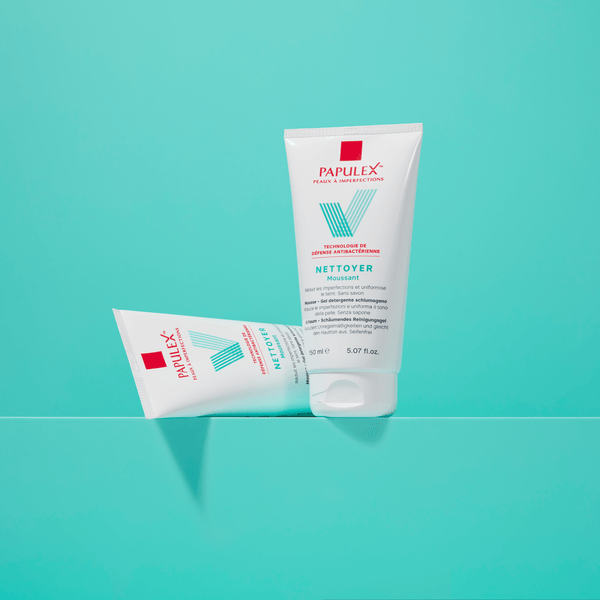
Papulex™ Moussant
Our pore-cleansing anti-blemish foaming gel. Gently purifies the skin while regulating its oiliness.
Helps remove blemishes and prevent their return.
View Product >
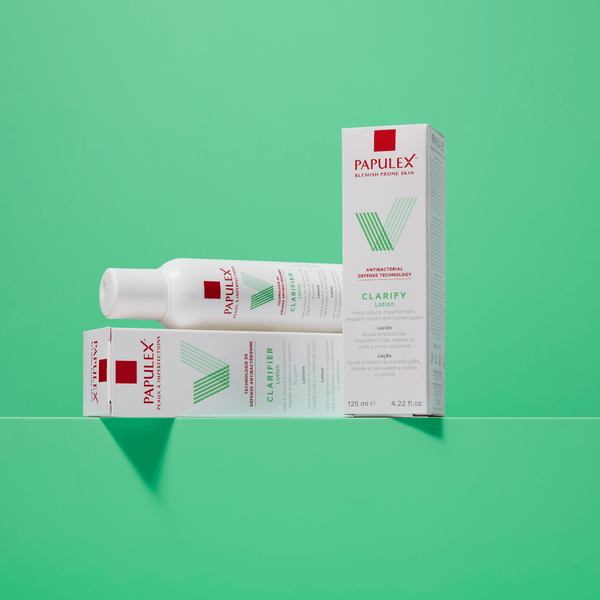
Papulex™ Lotion
Our pore-minimising anti-blemish toner. Designed to tighten pores and regulate skin oiliness, while fighting blemishes and helping to prevent their reappearance.
View Product >
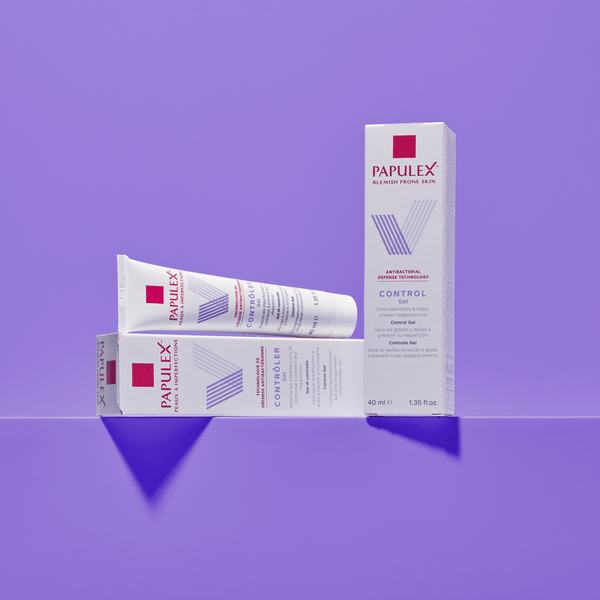
Papulex™ Gel
Our targeted blemish corrector. Dries out localised blemishes, which helps remove them and prevent their return.
Also regulates oiliness of skin.
View Product >
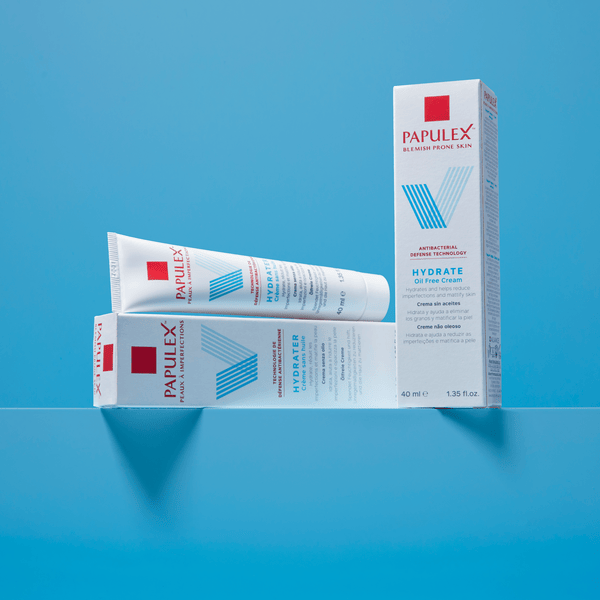
Papulex™ Oil-Free Cream
Our anti-blemish hydrating skin moisturiser for oily skin. Hydrates with no oily effect and helps mattify the skin – while fighting blemishes and helping prevent their reoccurrence.
View Product >
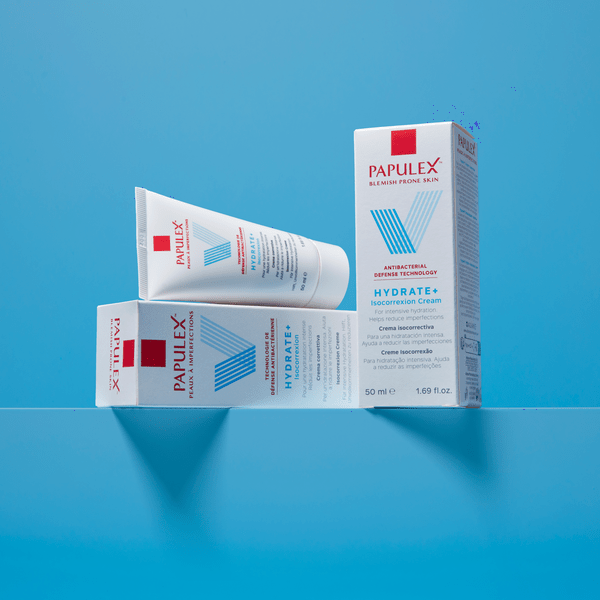
Papulex™ Isocorrexion
Our anti-blemish intense dehydration fighter for dry skin. Reduces dryness and flaking, while also helping reduce blemishes and prevent the appearance of new ones.
View Product >
2 Adult Acne. https://www.aad.org/public/diseases/acne/really-acne/adult-acne Accessed 20/09/2022
3 Baby DP. Adult Acne: Popular Questions and Answers. https://www.webmd.com/skin-problems-and-treatments/ss/slideshow-adult-acne. Accessed 20/09/2022
4 Celletti E, Nazarian, R. A dermatologist-approved skincare routine for adult acne. https://byrdie.com/adult-acne-routine-4843241 Accessed 24/09/2021
5 Cutibacterium acnes (Propionibacterium acnes) and acne vulgaris: a brief look at the latest updates – Dréno – 2018 – Journal of the European Academy of Dermatology and Venereology – Wiley Online Library
6 Antimicrobial resistance (who.int) – accessed 18/10/2022
7 Rougier – The inhibiting effect of an anti-adhesion gel on the adhesion of the bacterium Propionibacterium acnes to corneocytes in subjects with acne. Nouv Dermatol. 2003; 22: 7-11