Why Home Remedies Don't
Always Work

It can be tempting to reach for home remedies to try and manage your blemishes. Your friend might swear that tea tree oil works, or it may be old family wisdom that toothpaste is the way to go.

But hold up. Most home remedies have been proven to have no effect, or at the very least don’t help specifically with blemishes even if they may benefit the skin. On top of that, some may even irritate the skin, especially when applied in a haphazard, home-mixed or prepared way.1

Homemade products using raw ingredients also naturally lack preservatives, meaning bacteria can be present or develop in them – which can then colonise your irritated skin more easily.

Here are some of the most popular home remedies, debunked.
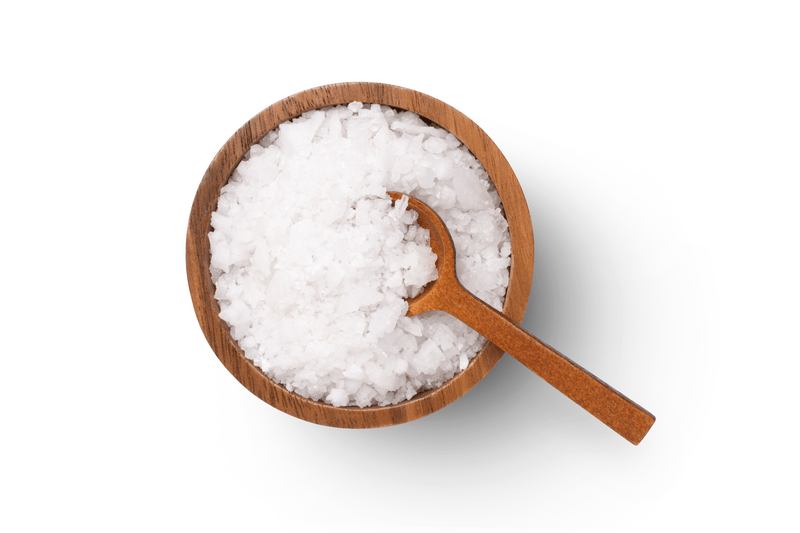
Natural sea salt in wooden bowl with spoon isolated on white background. Top view. Flat lay.

Salt (especially sea salt)2

Becoming popular as a natural skincare product for its supposed exfoliating properties, sea salt has an ability to help with rough, dull or dry skin. However, there’s limited scientific evidence about its skincare benefits – and there are no studies yet on its effectiveness managing blemishes.

While it may help with exfoliation and general skincare, and there are suggestions it could also have anti-inflammatory abilities, you’re still best off using a store-bought product that contains sea salt, rather than scrubbing your skin with it straight from the kitchen cupboard. This can cause dryness and irritation – even making current blemishes worse.

Saying that, there’s no evidence to suggest that even a store-bought sea salt product will help with your blemishes. Lucky for you, we have something intended for that specific condition.
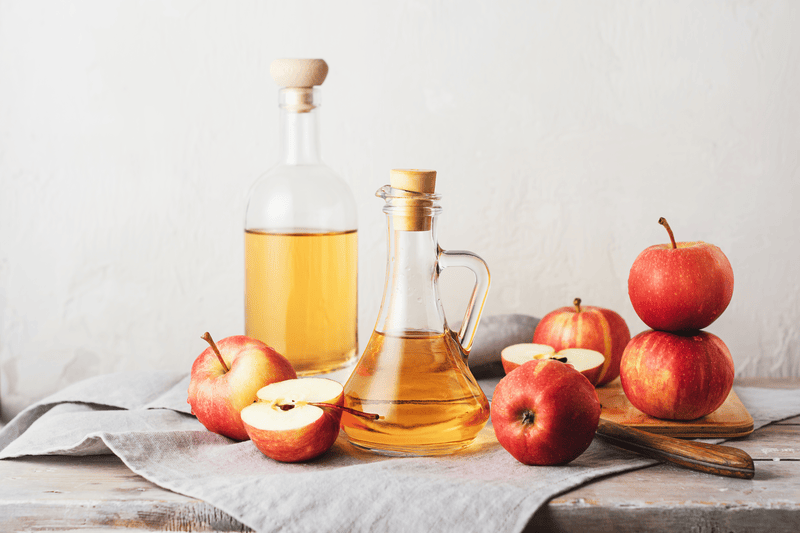
Natural apple cider vinegar and fresh apples.

Vinegar (particularly apple cider vinegar)1

This is a perennial home remedy favourite, be it for weight loss, joint pain or blemishes. However, the acidic substance is just likely to irritate the skin, at best not helping at all and at worst exacerbating it. Long-term, undiluted use of apple cider vinegar could even corrode your skin due to its high acidity, as well as being a huge risk if you ever get it in your eyes. Definitely best avoided.
iStock-1263682109

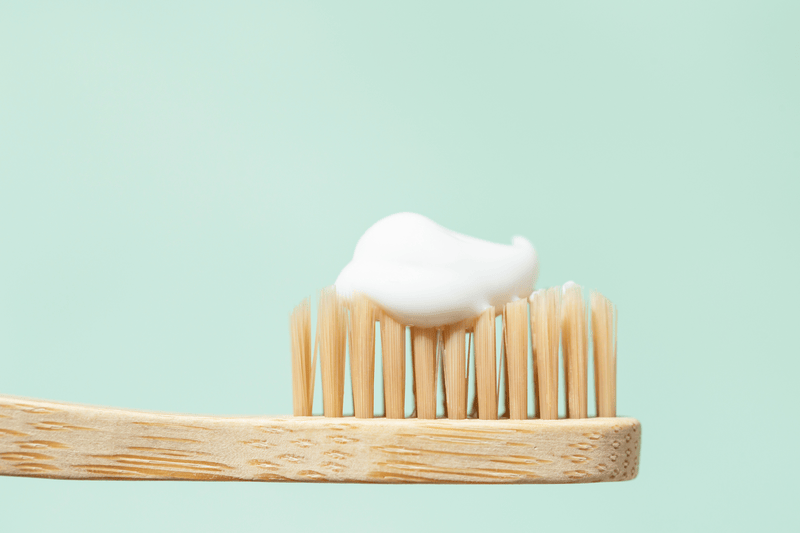
Toothpaste3

Another home remedy classic, toothpaste is far too harsh and astringent to use on your skin, irritating blemishes that are already inflamed. It’s designed to combat the bacteria that cause bad breath, not P. acnes. Plus, your teeth are among the toughest and most durable parts of your body – far more than your skin. Toothpaste isn’t only too harsh as mentioned, it can disrupt your skin’s pH and irritate it further.

Keep the toothpaste for your teeth and use a specific anti-blemish product instead.
iStock-471141162

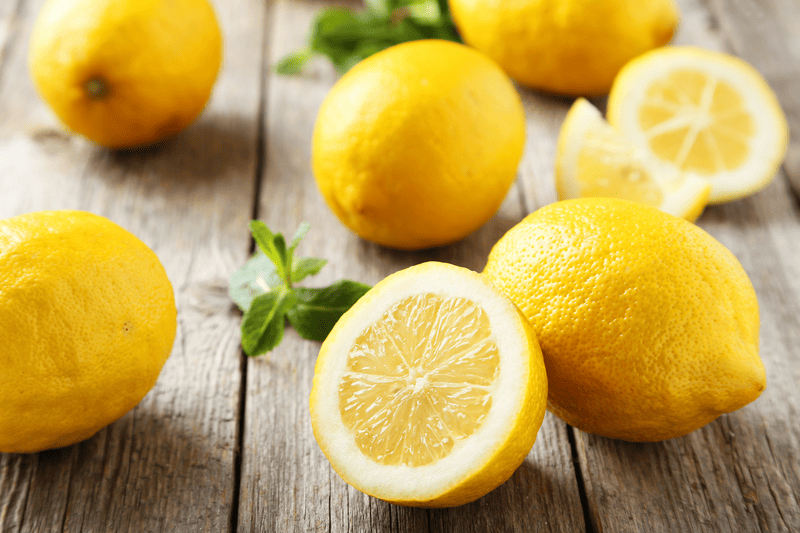
Fresh lemon or lemon juice4

Another acid, another cause of skin irritation – not blemish prevention. Citric acid may benefit the skin by keeping pores clear, and there is even some evidence that it has microbial properties and may be effective against P. acnes. However, fresh lemon or lemon juice is far too acidic to be safely used on your skin. It can cause stinging, peeling and redness – all exactly why you want to get rid of your blemishes.

An undiluted home remedy using citrus is simply not a good idea. Instead, use a skincare product with a safe concentration. That way, you can gain any benefits without harming your skin.
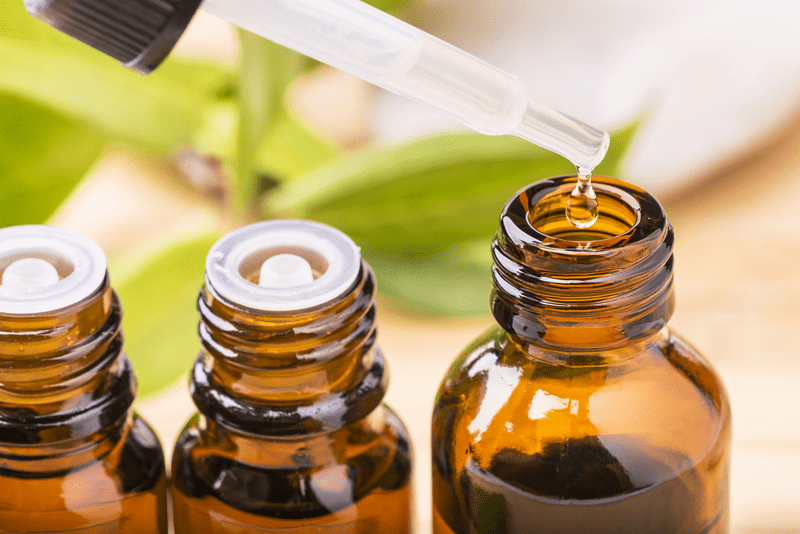
essential oils in small bottle in the foreground with dropper

Tea tree oil5,6

This is an interesting one, as there is evidence it has some effectiveness. However, you’re still best off purchasing an anti-blemish product specifically designed for your skin.

Tea tree oil has been shown to kill bacteria, including P. acnes, and reduce inflammation. It can be used to treat a wide range of blemishes, from whiteheads to pustules.

However, side effects such as skin irritation, itching, flaking, dryness and rashes are all possible – especially when using diluted, as tea tree oil is too harsh to be used on the skin in that form.

It also takes longer to take effect than specifically-designed blemish products.

As with the other remedies covered here, you are best off foregoing the tea tree oil when it comes to your blemishes.

Home remedies largely don’t work because they contain ingredients unsafe for the human skin in untreated form. The key ingredients in the Papulex™ range are stabilised for use on human skin of all types and proven in studies to be effective. View our ingredient spotlight page below to learn more.

Say no to home remedies

It’s best to use products created by professionals specifically to combat your blemishes, with key ingredients in controlled amounts known to help fight blemishes – all while being scientifically designed to be well tolerated by the skin.

The Papulex™ range is designed to work with your skin – whatever its type, helping to reduce blemishes and prevent their return. See how our product range can help with dry and oily skin here.

Our Product Range

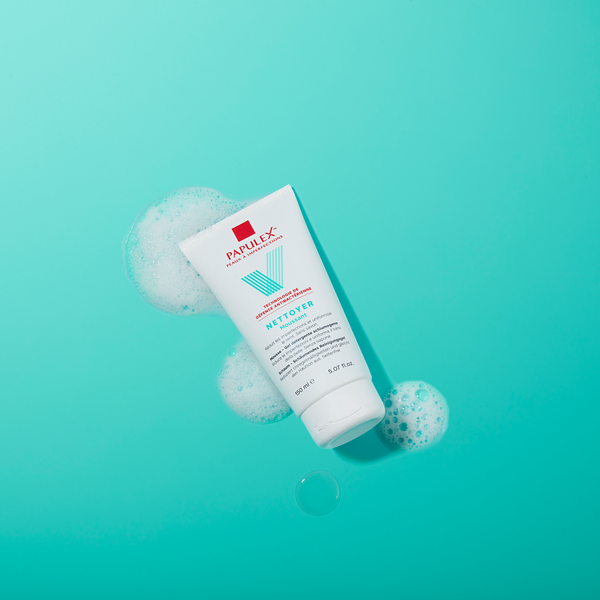
Papulex™ Moussant

Our pore-cleansing anti-blemish foaming gel. Gently purifies the skin while regulating its oiliness. Helps remove blemishes and prevent their return.
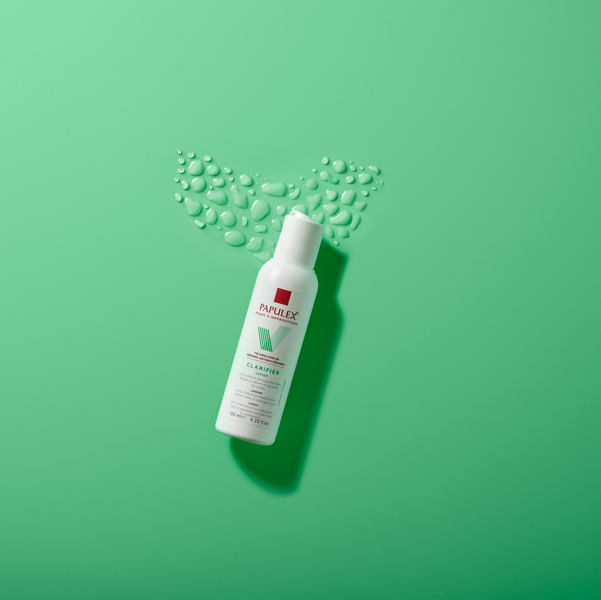
Papulex™ Lotion

Our pore-minimising anti-blemish toner. Designed to tighten pores and regulate skin oiliness, while fighting blemishes and helping prevent their reappearance.
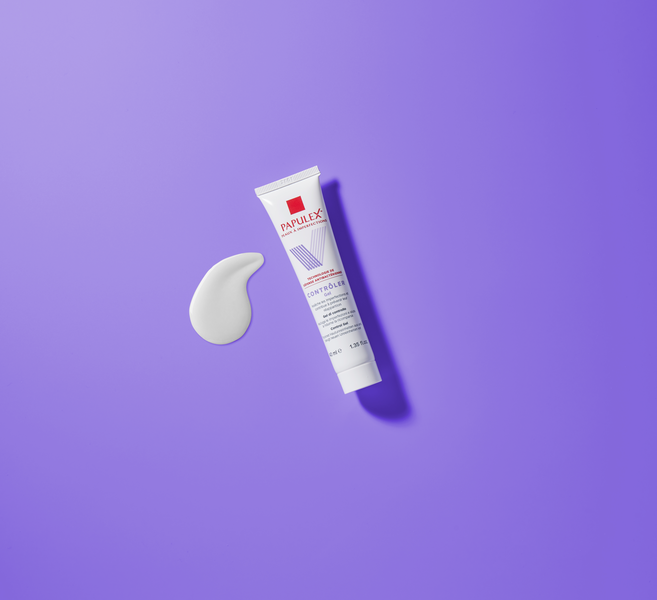
Papulex™ Gel

Our targeted blemish corrector. Dries out localised blemishes, which helps remove them and prevent their return. Also regulates oiliness of skin.
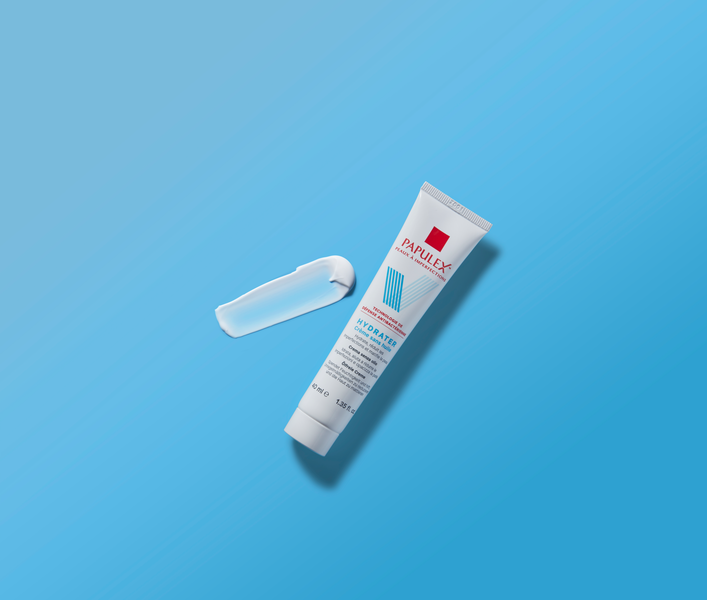
Papulex™ Oil-Free Cream

Our anti-blemish hydrating skin moisturiser for oily skin. Hydrates with no oily effect and helps mattify the skin – while fighting blemishes and helping prevent their reoccurrence.
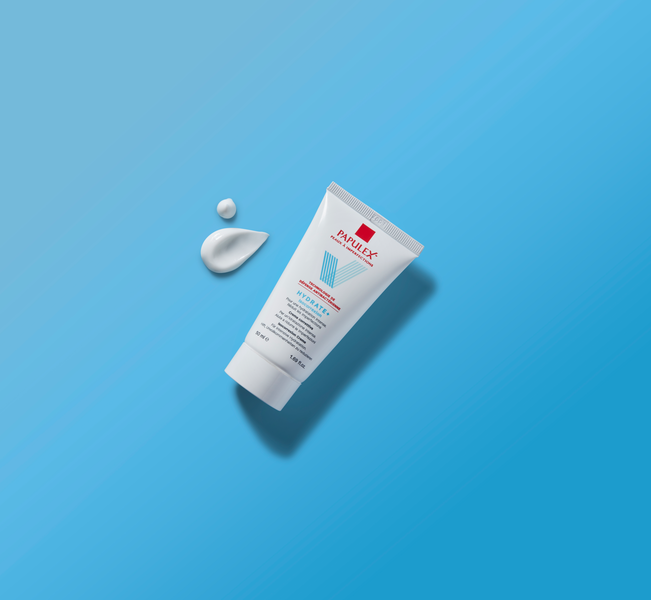
Papulex™ Isocorrexion

Our anti-blemish intense dehydration fighter for dry skin. Reduces dryness and flaking, while also helping reduce blemishes and prevent the appearance of new ones.

1 Leavitt J, Timmons J, Caldwell A. Adult Acne: I’m a Decade Past Puberty – Why Am I Still Breaking Out? https://www.healthline.com/health/adult-acne. Accessed 21/09/2022

2 Adult Acne. https://www.aad.org/public/diseases/acne/really-acne/adult-acne Accessed 20/09/2022

3 Baby DP. Adult Acne: Popular Questions and Answers. https://www.webmd.com/skin-problems-and-treatments/ss/slideshow-adult-acne. Accessed 20/09/2022

4 Celletti E, Nazarian, R. A dermatologist-approved skincare routine for adult acne. https://byrdie.com/adult-acne-routine-4843241 Accessed 24/09/2021

5 Cutibacterium acnes (Propionibacterium acnes) and acne vulgaris: a brief look at the latest updates – Dréno – 2018 – Journal of the European Academy of Dermatology and Venereology – Wiley Online Library

6 Antimicrobial resistance (who.int) – accessed 18/10/2022

7 Rougier – The inhibiting effect of an anti-adhesion gel on the adhesion of the bacterium Propionibacterium acnes to corneocytes in subjects with acne. Nouv Dermatol. 2003; 22: 7-11